



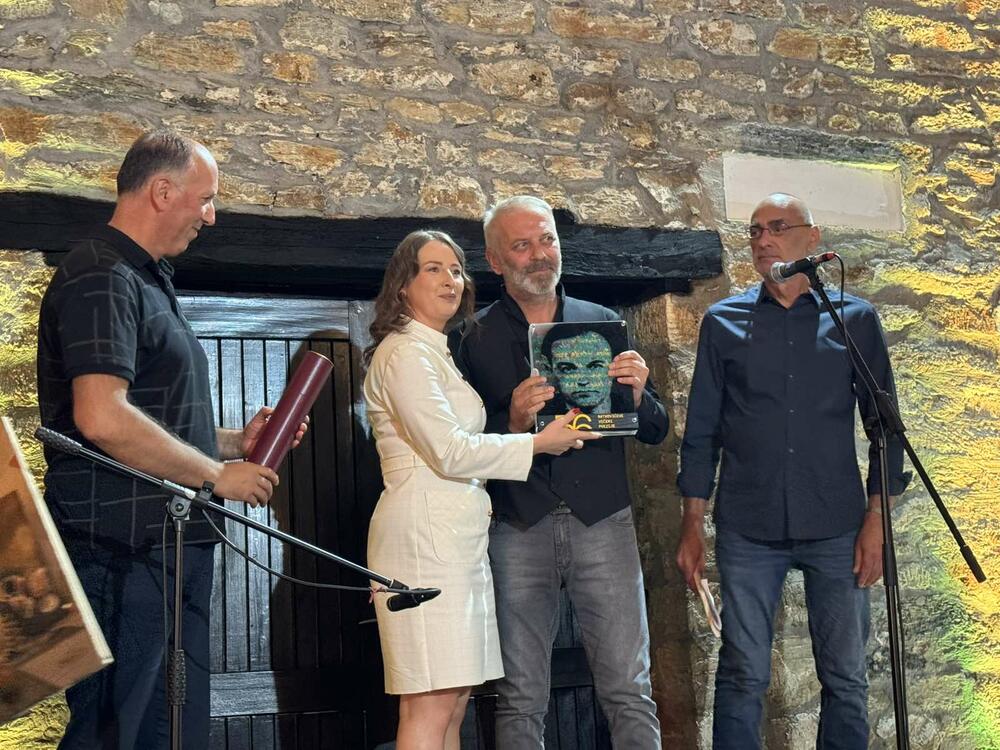
The 56th Ratković Poetry Evenings concluded tonight with the presentation of the "Risto Ratković" Award for 2026, which went equally to two authors - Dejan Ilić from Belgrade for the book "Buried Cape", published by Povelja from Kraljevo, and Obrad Nenezić from Podgorica for the collection "Happy end... for a sad ending", published by Samizdat.
Explaining the decision, Assoc. Prof. Dr. Olga Vojičić Komatina, president of the jury, emphasized that it is a great honor to announce that, in the spirit of good tradition, this year, an enviable number of poetry collections from the entire region have arrived at the Ratković Poetry Evenings address – 46 poetic manuscripts, while 11 manuscripts have arrived at the Competition dedicated to young people under the age of twenty-seven and for the Ratković Poetry Evenings award.
"It is true that every year we note the difficulty of the task that the jury members have when selecting the best, but this year we unanimously conclude that this was an exceptionally high-quality competition of poetic discourses and that this was certainly one of the most difficult selections in the last few years. On this occasion, the jury was faced with a variety of reflections and emotional perspectives, and therefore with specific idiolects within which the thoughts and emotions of the poetic subjects were shaped and presented," said Vojičić Komatina.
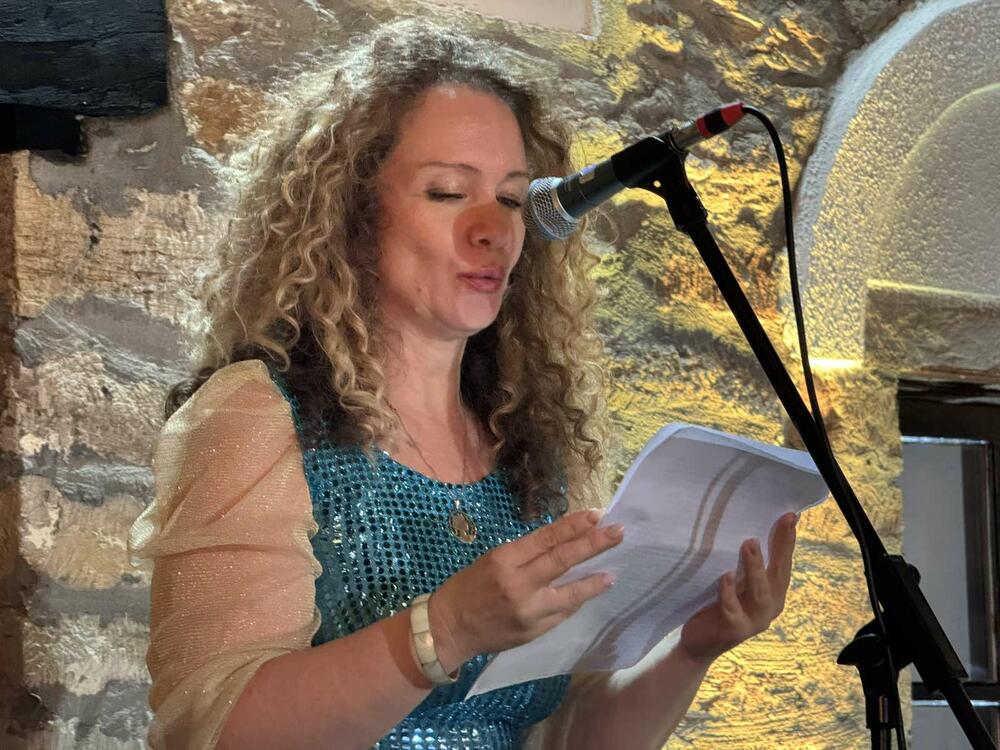
She emphasized that the jury, appreciating the numerous schools and poetics to which different generations of poets also belong, moving from neo-symbolism through postmodernism and its sequels through contemporary forms of poetry, as a collective recipient, respected all inspired expressions and ways of modeling them.
"Also, realizing that contemporary poetry is itself an amalgam or hybrid of genres, the jury objectively recognized elements of the fabularization of expression, but also its dramatization - certainly within the scope of the poetic model and assessed this property as an optimal projection of future, that is, upcoming ways of expression. In the end, lyrical perception, poetic compression of what is said, emotional intensity of what is experienced and aestheticization of the sensitive part of the poetic being - both the one who writes and the one who experiences what is read, are the qualifications of the best collections from this extensive corpus, but most of all the two winning manuscripts - Buried Cape Dejan Ilić from Serbia and Happy end for a sad ending by Obrad Nenezić from Montenegro. Therefore, this year these two poets are the laureates of one of the most prestigious awards for lyrical expression in the region - the Risto Ratković Award."
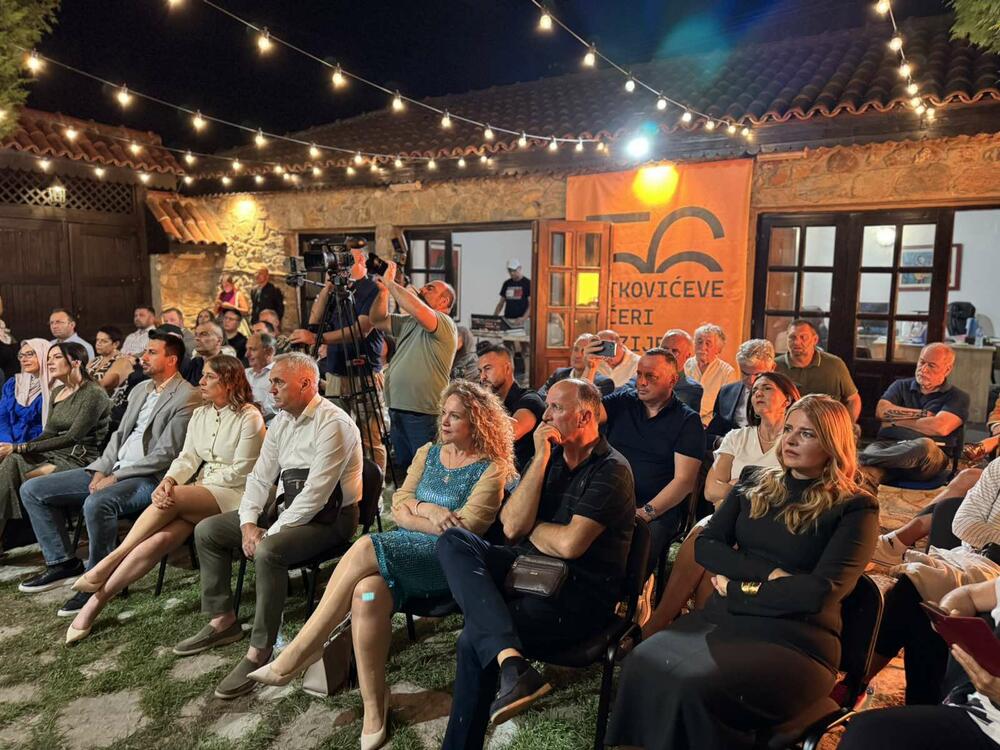
The jury was guided by the same criteria of evaluation and assessment when selecting the best collections and poetry cycles that were in the competition for young poets. Poetic observations of young people arrived from different parts of the region and met in one place. The jury agrees that here too there are very diverse writing styles, as well as intense creative energy, and we have mapped these manuscripts as an innovative route along which new poetry is going - the path of insatiable and exuberant experience and strong lyrical creation", said Vojičić Komatina, reminding that the awards for young poets were also won by: Sehada Baždarević (Novi Pazar), Simon Cerovina (Belgrade), Irena Vujadinović (Nikšić), Tijana Draganić (Nikšić) and Nemanja Mijović (Berane).
"Rejoiced by Obrad and Dejan in the place where the sky connects with song and the Lim with the sea, in this time here and now, but also in Risto's resurrection, we too have united."
We came together in the center of our world and dug up the buried cape, worshipped the Invisible God and found an oasis of Eden. But the path was not easy. We were pilgrims crossing the Lim. To reach the courtyard of poetry. Rist's.
But how can I cross the Lim, that sea of seas, that wonder of the world...
And how can I explain poetry now? How can I but say that from the most select, we have chosen those who tear apart, penetrate the soul, peer into the mind, and burn with fervor and fire, those who leave scars with their verses of freedom, their counterpoints and hyperbatons, their symmetries and asymmetries, their oxymorons and anticlimaxes, all the expected and unexpected, their contrasts and paradoxes, ironies and parables, frantic synesthesias born of life, in honor of life, but also in defiance of it.
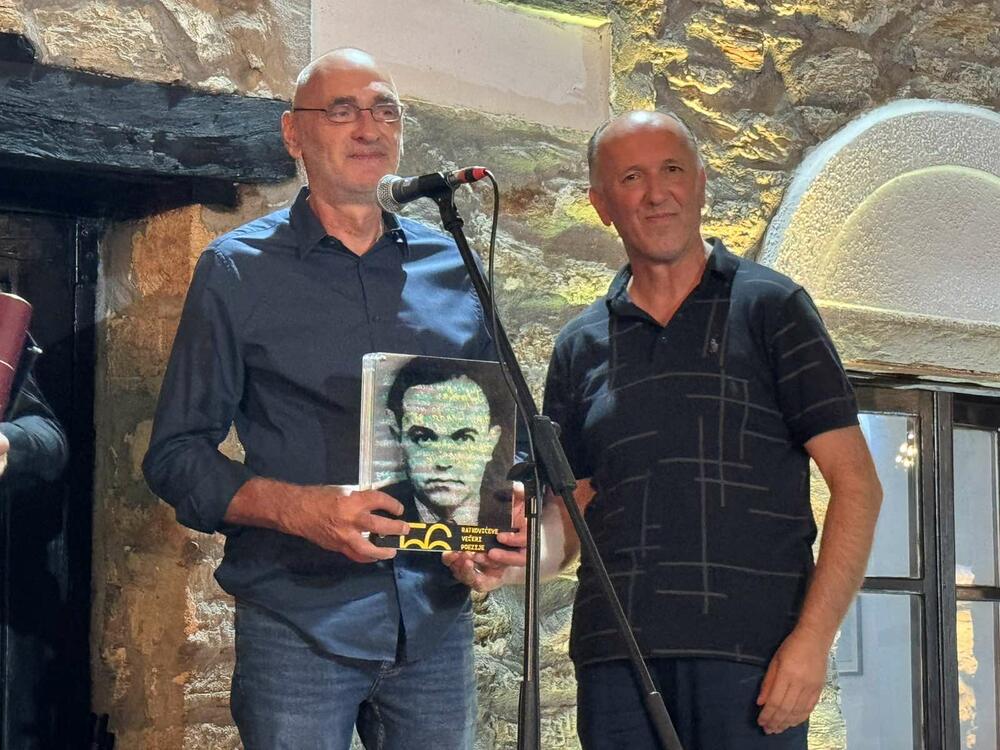
We chose the one who, in a neo-avant-garde manner, exposes, degrades, obstructs all the scourges of the modern world and society, and with the tide of verse tries to reach a safe harbor that promises the future. And then the one who is the first after Đurađ Crnojević, and that is many summers, and even more in winter, to sing about women and love. We chose Ilić and Nenezić," concluded Vojičić Komatina.
Laureate Nenezić thanked Ratković's poetry evenings and the jury for showing confidence in his poetry.
"I know that I will continue to flow upstream and that I will fight with poetic and aesthetic demons... But, I also know that they will only defeat me once - when one day I don't wake up in this world and when I stop writing... But, again, I know that in the other world, the immortality of an eternal reader of poetry awaits me," said Nenezić.
Ilić pointed out that Bijelo Polje has long been, for decades, a significant stopover on his way to the sea and a small cape, which is exactly what it is called, Mali Ratajac, near Bar.
"I remember Bijelo Polje as the green gate of Montenegro, mostly seen in my youth from the train, then still a Yugoslav railway, tucked between wooded hills, washed by the waters of the Lim, a green opening after which magnificent bridges begin to line up, incredible scenes of a country that one must pass through and look at in order to reach the unstable line where the land ends and the sea begins. It was as if on that road the weight and seriousness of the land, a dark repression, yet vital, slowly diluted as the journey progressed, from tunnel to tunnel, the land turned into sequences, the burden of being into a game of perception, only for everything to end in the imperial flash of the sun and pure images," he said, adding that perhaps this is precisely the range in which Risto Ratković's poetry unfolded, from the darkness of this original deprivation, which gave birth to extraordinary and unexpected poetic breakthroughs towards being, to emerging into the light of day and pure modernism of clear images and concise expression.
The laureate noted that in all of this, there is always a certain stifling, a doubt about language, "as soon as I speak/ I give myself away", these are the words of this poet, a disbelief that concreteness can be achieved through literary language, namely, symbolism cannot be overcome with words, since it is in the nature of words themselves.
Here we glimpse Ratković's distinctive morality, words cannot contain reality, although they sometimes manage to briefly touch it, the desire for touch and the concreteness of existence necessarily turns into abstraction and concept. This radical anti-symbolism, therefore, will flash and find its confirmation in the poet's best verses, but this unsettledness of words and things will forever determine Ratković's path: he did not write much, it is up to us to write the rest," emphasized laureate Ilić.
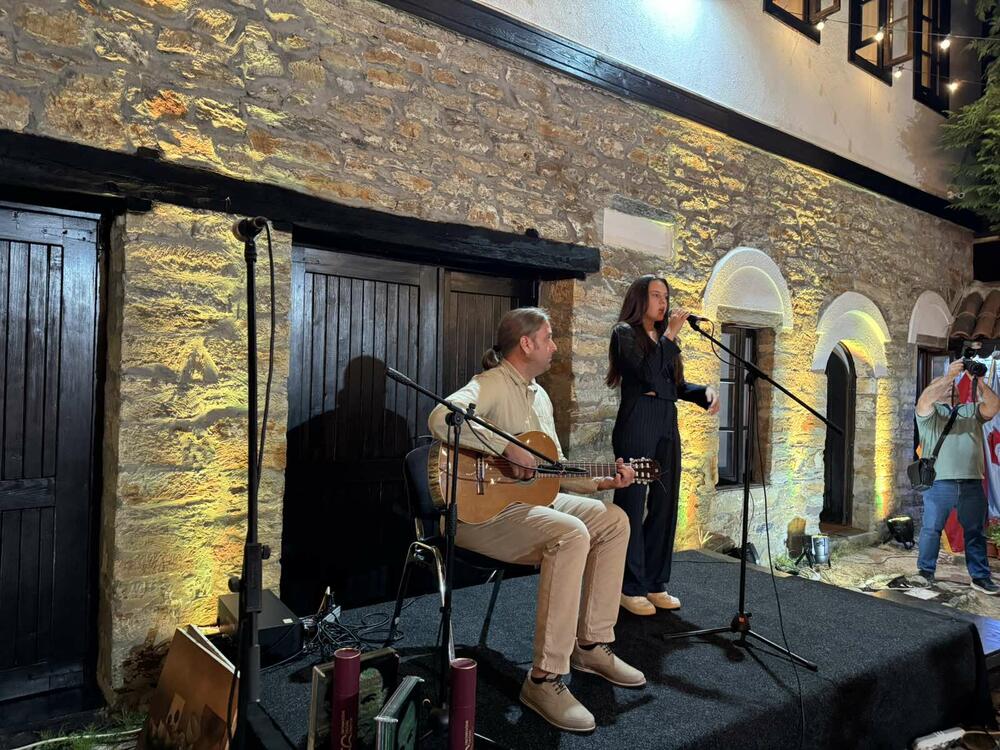
The awards were presented at the Risto Ratković House by the director of the Ratković Poetry Evenings, Kemal Musić, and the president of the Bijelo Polje Municipal Assembly, Selma Omerović. Asja Džogović performed in the musical part of the program.
As part of Ratković's poetry evenings, the theater play "The Museum of Danton's Women" was held at Risto Ratković's house, based on the motifs of the play "Danton's Death" by Georg Büchner.
See more:
Download the app and follow the news


FOLLOW US ON

