



Kryvyi Rih, the hometown of Ukrainian President Volodymyr Zelensky, is struggling to survive. Russian airstrikes have halted the city's massive steel mill and mine, bringing the local economy to its knees.
Mayor Oleksandr Vilkul said the sprawling industrial city, which stretches along the banks of the Inhulets River, was doing everything it could to keep hospitals open, lights on in kindergartens and schools, and buses running.
"In Krivoi Rog, the situation is actually worse than anywhere else, except on the front line itself," Vilkul, 52, a former mining executive, told Reuters in a video address.
The financial strain on the city of about 600.000 points to the challenges Ukraine faces as the government navigates its biggest budget crisis since the start of a full-scale Russian invasion in 2022.
Last month, the city's largest employer, ArcelorMittal's vast mining and steel complex, suspended operations after a series of Russian ballistic missile strikes shut down its furnaces.
The outlook for next year is bleak, Vilkul said.
"It's about survival. We have to survive now," he said.
A similar picture can be seen across Ukraine's once-mighty steel industry, which before the war accounted for a tenth of the country's economic output. Huge steelworks in Zaporizhia in the southeast and other industrial cities stand idle, and exports have been halted.
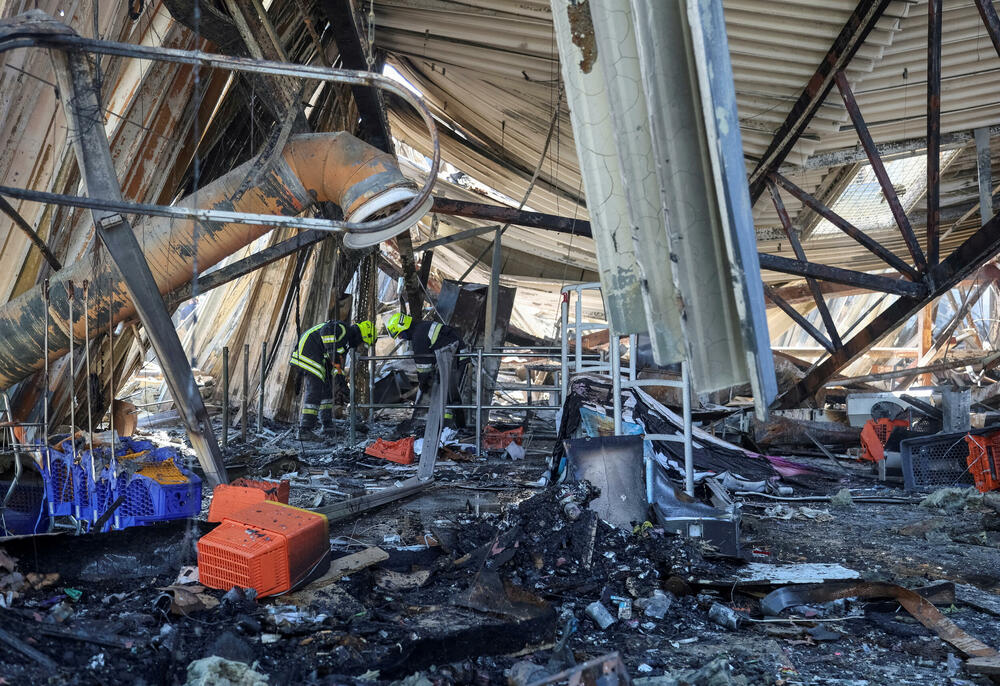
Increased Russian drone and missile attacks this summer have destroyed factories and warehouses across Ukraine, damaged ports and railways, and forced shops and businesses to close their doors, slowing economic growth and tax revenue.
At the same time, a war that increasingly relies on technology is becoming increasingly costly for Ukraine.
Billions of euros in foreign loans are overdue due to the failure to pass legislation, including unpopular tax reforms and anti-corruption regulations demanded by Ukraine's Western allies, which has left a large hole in the state coffers.
Ukraine needs $56 billion this year to cover that deficit - equivalent to about a quarter of its economic output. Of that, $27 billion is for military spending.
To cover the funding shortfall, Ukrainian officials met with European partners in Brussels last week to discuss early disbursement of next year's funds under a 90 billion euro ($101 billion) European Union loan. The European Commission and Ukraine said they had found the funds to plug the budget gap this year.
But three Reuters sources familiar with the talks said accelerating those payments could increase budget pressure next year - at a time when upcoming election campaigns in European allies including France and Poland could weaken support for Kiev.
Prime Minister Serhiy Koretsky admits the situation is "challenging." The government has been forced to freeze all non-essential spending - including the reconstruction of damaged buildings and infrastructure - to prioritize military spending, public sector wages and pensions.
"All resources should be directed to areas of key importance," Korecki told Reuters.
War costs are rising, domestic revenues are falling
Two years ago, a day of war cost Ukraine $140 million, but that amount has now risen to $190 million, according to Roksolana Pidlasa, chairwoman of the parliamentary budget committee. That figure does not include direct military aid provided to Kiev by Western allies.
The rising costs are partly due to the need for expensive medium- and long-range weapons that can target Russian oil refineries and military factories, to reduce Moscow's ability to continue the war.
In addition, the cost of salaries for an enlarged military is higher than ever, and the state must support an increasing number of military families, including the families of deceased and disabled soldiers.
"The costs will continue to rise," Pidlasa said at a conference in Kiev. "That's another pragmatic reason why the United States and Europe must act more quickly to force Russia to end this war."
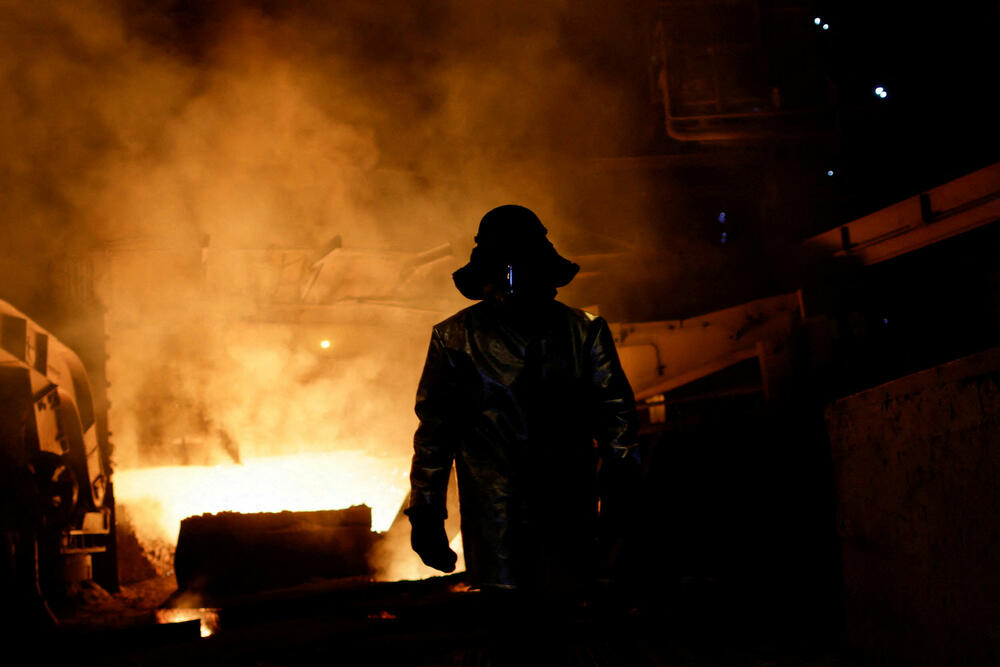
Pidlasa said that in the first nine months of this year, the Ukrainian budget lost more than 49,5 billion hryvnia, or about $1,1 billion in tax revenue, due to Russian attacks. The attacks not only damaged property and goods, but also disrupted logistics and led to the closure of shops and other businesses for several hours.
The government estimates that total losses could rise to 70 billion hryvnia by the end of the year.
Some Ukrainian companies have begun to scale back operations. Others have postponed capital investments as the country prepares for a harsh winter. Business sentiment and economic expectations are worsening.
Vasyl Khmelnytskyi, the founder of an industrial park in the town of Bila Tserkva, near Kiev, said he had abandoned plans to build three new factories.
"The risks are simply too great now - for both business and people," he wrote on Facebook.
Ukraine's agricultural sector, the country's largest source of export revenue, has been particularly hard hit. Russian attacks on Ukrainian Black Sea ports led to a 36,6 percent drop in grain exports in September compared to the same month the previous year.
Economy Minister Oleksandr Kravchenko said that about $40 billion in export revenues are at risk this year due to the blockade.
Even with tens of billions of euros in foreign support, Ukraine's economy is expected to grow by only between 0,5 and 1,5 percent this year, economists say - compared to growth of 1,8 percent in 2025.
Foreign aid is late.
During more than four years of intense fighting, Ukraine has managed to maintain macroeconomic and financial stability thanks to fiscal support from Western partners, receiving almost $200 billion since the beginning of the Russian invasion.
But $29,5 billion in foreign aid is at risk this year due to delays in adopting reforms, Korecki said. The government has postponed about $900 million in capital spending until December, hoping that the necessary laws will be passed by then.
The goal is for parliament to adopt all necessary laws by October 15th, Korecki said.
"Only then will we get all the money," Korecki said. "That's crucial. It has to be done as soon as possible."
Finance Minister Serhiy Marchenko estimated that the uncovered budget deficit for next year already exceeds $32 billion.
Part of the solution, according to Marchenko, is to use frozen Russian assets in Europe to finance the Ukrainian budget. European Union countries froze about 210 billion euros in assets of the Russian central bank after Moscow invaded Ukraine.
"Ukraine continues to mobilize domestic resources, but the scale of the Russian war clearly limits our capabilities," Marchenko wrote on the X network.
See more:
Download the app and follow the news


FOLLOW US ON

