



The European Union's (EU) High Representative for Foreign Affairs and Security Policy, Kaia Kalas, said that the lifting of United States sanctions on Russian diesel, so that Moscow can supply it to the United States and the world, contributes to fueling the Kremlin's war against Ukraine.
"Suspending sanctions on Russian diesel provides Moscow with additional revenue to wage war. Now is not the time to ease pressure on Russia and Europe will not do so," Kaja Kalas wrote on social media.
The German government has announced that it will maintain sanctions against Russia over the war in Ukraine, even though US President Donald Trump announced last night that his administration had temporarily lifted US sanctions on Russian diesel fuel after Russia promised to supply the US and the world with the fuel.
"The federal government has taken note of the US decision regarding the supply of Russian diesel," German government spokesman Stefan Kornelius said briefly, adding that Germany's support for Ukraine remains, and that diplomatic efforts to reach a solution to the Russian-Ukrainian war will continue.
DON'T MISS IT
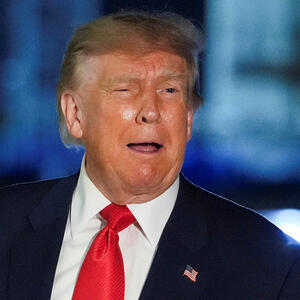
Trump announced a highly controversial agreement with Russian President Vladimir Putin last night to deliver millions of tons of diesel fuel to the US market and the world. The unilateral decision drew sharp criticism from US lawmakers and a heated reaction from Ukrainian President Volodymyr Zelensky.
After a phone call with Putin, Trump announced that Russia would immediately begin delivering diesel fuel to ease skyrocketing US prices.
More than 300.000 metric tons (approximately 2,25 million barrels) of Russian diesel will be released immediately to the US and global markets. An additional 500.000 tons are planned for November, followed by another million tons soon after.
The agreement calls for another three million tons "in the near future," bringing the initial delivery package to over four million metric tons.
To facilitate transactions, the US Treasury Department has issued a general permit temporarily lifting sanctions on Russian diesel exports.
Donald Trump's administration is under enormous domestic pressure to lower fuel prices, which have skyrocketed ahead of the upcoming November US congressional elections - the "midterm elections", especially due to rising costs affecting American farmers, livestock transporters and truck drivers themselves.
Energy markets have been extremely volatile due to the war with Iran that led to the closure of the strategically important Strait of Hormuz, and due to continued Ukrainian drone attacks on Russian energy infrastructure.
Reports indicate that Trump reached a deal with Putin on diesel because Ukrainian President Zelensky resisted US demands to halt drone attacks on Russian oil refineries.
Trump's announcement is a drastic policy shift, coming just three weeks after he signed the Russia and Iran Sanctions Act, which aimed to tighten energy sanctions on Moscow.
President Zelensky has strongly condemned Trump's move on social media and in interviews, describing the lifting of sanctions as a "birthday gift to Putin" - he turned 74 this week. Zelensky said the agreement represented "an investment in a war that must be ended, not prolonged."
Senate Democratic Leader Chuck Schumer and other senior officials issued joint statements sharply criticizing the agreement, calling it a failure to protect America from its adversaries and stressing that it completely undermines the recently passed bipartisan legislation on sanctions against Russia and Iran.
Even some members of Trump's own party criticized his move, with Republican representatives arguing that supporting Putin's war economy undermines the West's moral stance toward the war in Ukraine.
See more:
Download the app and follow the news


FOLLOW US ON

